



The Nigeria Centre for Disease Control and Prevention, NCDC, has said that it has recorded 1,115 confirmed cases of Lassa fever and 263 deaths across 24 states.
The agency, in a statement on Thursday, said that the figures, contained in the Lassa Fever Situation Report for epidemiological week 38, covering September 14 to September 20, represented a Case Fatality Rate, CFR, of 23.6 per cent
It said that the CFR remained higher than the 18.5 per cent recorded during the corresponding period in 2025, indicating continued concern over the disease burden.
According to the report, 11 new confirmed cases were recorded in epidemiological week 38, representing a decline from the 17 cases reported in week 37.
The new cases in week 38 were reported in Ondo, Edo and Taraba, the NCDC said.
The agency said 24 states had recorded at least one confirmed case across 119 local government areas as of the reporting period.
It added that 87 per cent of all confirmed cases were reported from five states – Bauchi, Ondo, Taraba, Benue and Edo.
“The predominant age group affected by Lassa fever remained people aged between 21 and 30 years,” it said.
The NCDC also reported that no new healthcare worker was affected by the disease during epidemiological week 38.
The agency had recorded 1,104 confirmed cases and 259 deaths by the end of epidemiological week 37, representing a CFR of 23.5 per cent.
It said that in week 37, which covered September 7 to September 13, 2026, 17 new confirmed cases were reported, an increase from the 12 cases recorded in week 36.
“The 17 cases in week 37 were reported in Ondo and Taraba states, according to the situation report.
“At the end of week 37, 24 states had recorded at least one confirmed case across 119 LGAs.
“The five states of Bauchi, Ondo, Taraba, Benue and Edo accounted for 88 per cent of confirmed cases recorded by week 37.
“The NCDC said the predominant age group affected during the period remained 21 to 30 years.
“No new healthcare worker was reported to have contracted Lassa fever during epidemiological week 37,” it said.
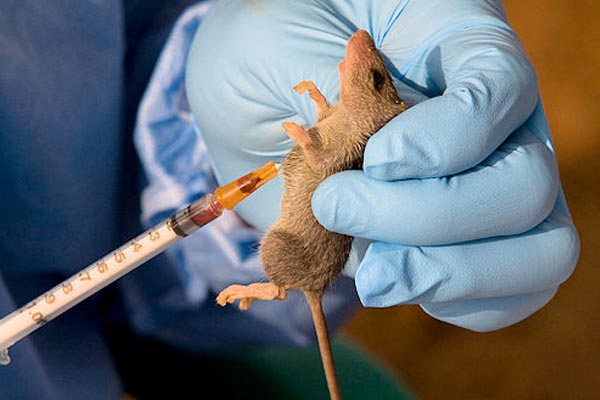
Lassa fever is an acute viral haemorrhagic illness that can be transmitted to humans through contact with food or household items contaminated by infected rodents.
The disease can also spread from person to person, particularly in healthcare settings where infection prevention and control measures are inadequate.
NCDC, however, urged healthcare workers and the public to maintain appropriate preventive measures and promptly report suspected cases to health authorities.
Source: NAN
READ ALSO:
Media should test the right to announce election results -Agbakoba
Good night distinguished Akokite, Prof Idowu Sobowale
Winners of 2027 elections will be determined by voters -Amupitan
Court dismisses El-Rufai’s suit seeking to stop ICPC, others
FCCPC congratulates Tunde Akanni on investiture as SPSP Fellow
UN unveils $78m lifeline for Africa’s Great Green Wall
Jet crash: MULAN mourns victims, commiserates with NAF, families
His Certificate of Occupancy cannot erase my ownership
GOCOP trains members on use of AI tools to boost efficiency
Tips on how online publishers can monetise digital media practice, by Ashibogwu
Why newsroom must create strategic knowledge, not just news -Amuchie