

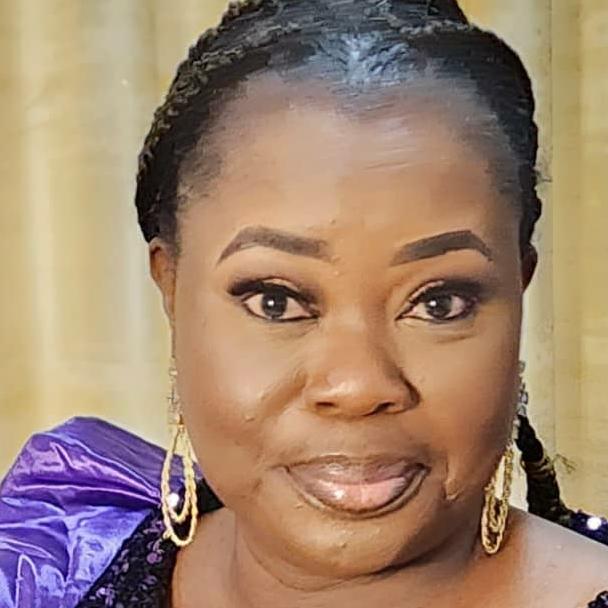
By FUNKE EGBEMODE
Election is a one-day festival. It is a day that most times ends so fast you wonder if it has 24 hours like other days. And when it disappears, it takes the rice, noodles, ankara and the cash with it. It is like the Masquerade Festival of the Big Ancestors in my hometown. The horned, fire-bearing masquerades like Lobanika and Madigbolesu visit the earth once in three years. Election day is the shortest of days. It comes quickly and vanishes before many realise it has arrived. As Shakespeare observed, the hours are swift as they fly.
What happens on election day is almost like what I see at Oja Obada, my hometown’s weekly market. But this one is a strange market. It springs to life every election season in Nigeria. It has no permanent stalls, no signposts and no opening bell. Yet business booms. Buyers arrive with bags of rice, cartons of noodles, wrappers, cash and promises wrapped in bright smiles. Sellers come with their future and conscience, something far more valuable than gold, their votes.
This is perhaps the only market in the world, where people willingly exchange four years of their future for a meal that disappears in two days or a few crisp naira notes that vanish before the week ends.
Every election season, we rain curses on vote buyers. We call them enemies of democracy. We accuse them of corrupting the electoral process. We are right.
But permit me to ask a rather uncomfortable, unpopular question.
When will the vote sellers stop cheating themselves? Because every politician who buys a vote is helped by a citizen willing to sell one.
See Mama Bose now.
She is a widow who has struggled all year to keep body and soul together. Food prices have climbed far out of reach. Her little roadside booking and epa (roasted plantain and groundnut) business hardly pays the bills. Indeed, she is hiding from two loan sharks. Then election week arrived like Christmas. Suddenly, strange faces began visiting the neighbourhood. One brought bags of rice. Another added N10,000 per voter and PVC. A third threw in six yards of ‘small ankara’.
‘Vote and cook soup.’
Each party ‘leader’ shouted like a Lagos bus conductor calling out to passengers.
Mama Bose beamed from ear to ear.
“My own time don come,” she danced in front of the fire bowl that served as her plantain oven. She collected from all the political parties. She danced, clutching her gifts like someone who has just won the lottery. She told herself she had outsmarted the politicians. What did she know?
The election bribe pays a few bills. Soon, life returns to normal, to the old hard ways and days.
Three months later, Mama Bose’s pregnant daughter developed complications. The health centre in their community had no drugs, no doctor and no functioning equipment. They travelled miles in search of treatment, spending far more than the money Mama Bose proudly collected on election day.
The road leading to the hospital was full of craters. The ambulance did not come. Her grandson’s school roof still leaks whenever rain falls till today.
Suddenly, that precious election gift begins to look like the most expensive bargain she ever struck. She thought she collected free money. She was actually paying in advance for four extra years of suffering.
Then there is Kunle.
A university graduate with dreams bigger than his pockets. Jobs have become as scarce as honest campaign promises. Election day is his own employment day. Party agents know his type. They call him aside. One envelope here. Another envelope there.
Kunle laughs.
“I’ve made more money today than I have in three months.”
His friends clap for his smartness.
Then election ends.
Months become years.
The factories remain silent. Electricity behaves like a visitor from another country. Investors stay away. Employment opportunities become rumours shared on social media.
Kunle spends the next four years cursing everyone out on all his social media handles, complaining that Nigeria has failed young people.
Perhaps. But did he not also fail himself the day he exchanged his voice for a few notes?
The politician got four years in office. Kunle got one afternoon of celebration.
Who made the better business deal?
Now meet Baba Matthew, the self-proclaimed village economist.
His philosophy is simple.
“Collect from everybody,” he tells anyone who cares to listen. “No politician will cheat me.”
He collects from Party A, collects from Party B and also from Party C.
He walks around the village like a financial genius.
Then the rainy season comes.
The bridge leading to his farm collapses.
His cassava cannot reach the market.
His motorcycle develops one fault after another because the road has become a punishment for sins even he is not willing to acknowledge.
The money he spends repairing tyres alone is more than everything he collected during the election.
He thought he had outsmarted politicians.
Instead, he signed a four-year agreement against his own prosperity.
The greatest lie Nigerians tell themselves during elections is this:
“If I don’t collect it, someone else will.”
It sounds logical.
Until everybody, everyone started saying the same thing. Now, everybody is counting losses together.
The politician who spent millions buying votes quickly recovers his investment after assuming office. Contracts become inflated. Public funds become private savings. Merit gives way to loyalty. Roads become abandoned. Schools decay. Hospitals become consultation centres without medicine.
The voter who collected N10,000 eventually pays hundreds of thousands through poor healthcare, unemployment, insecurity, bad roads, expensive transport and businesses crippled by the absence of electricity.
Who, then, cheated whom?
Let us be fair. Hunger is a wicked adviser.
Many Nigerians are genuinely hungry. Some mothers do not know where the next meal will come from. Many fathers cannot pay school fees. Pensioners are abandoned. Young people roam the streets with certificates but without jobs.
Vote buyers understand this. They do not distribute rice after elections. They arrive when stomachs are empty because poverty is the best campaign manager any desperate inconsiderate politician can hire.
But poverty is not the whole story.
Some people who sell votes are not hungry.
They drive good cars.
They own comfortable homes.
They simply believe politics is a marketplace where everybody must collect something.
That mindset is as dangerous as poverty itself.
It is time to pinch ourselves awake. Your vote is not a loaf of bread.
It is an employment letter. Every election, Nigerians get to interview men and women who wish to become governors, legislators and presidents.
Imagine employing a driver because he gave you N10,000. Would you trust your family in his vehicle?
Imagine employing a doctor because she bought you a bag of rice. Would you allow her into the operating theatre?
Why then do we employ those who will control billions of naira, shape our children’s future and make life-and-death decisions simply because they gave us temporary gifts?
Isn’t it time for communities to organise their own quiet revolution? Imagine an entire street agreeing that no vote is for sale. Imagine a whole village announcing, “We shall listen to your manifesto, but our conscience is not in the market.” Imagine churches and mosques reminding worshippers that integrity should not disappear inside the polling booth.
Imagine traditional rulers declaring that the dignity of their communities is worth more than election money.
Imagine young people proudly saying, “I refused their money because my future is not for sale.”
Vote buying survives because there are willing sellers. The day sellers disappear, buyers will pack their bags and go home.
Democracy is not sustained by electoral laws alone. It survives because ordinary men and women decide that their conscience cannot be purchased.
The politician who buys votes certainly deserves condemnation. But the citizen who sells his vote should pause and ask one painful question:
After collecting this money, who will suffer the consequences?
The answer is painfully obvious.
His children.
His business.
His community.
His future.
And his country.
How come these sellers don’t see these consequences even when they are already suffering? Their community schools are either roofless, windowless, teacherless or all of the above. Educating the children of the vote sellers to university level has become more difficult than a herculean task. The ones they managed to send to school with ‘LAPO’ loans have not found jobs five years after graduation. Those who found jobs are paid measly sums. Now everybody is living at home in the same space they were living in 20 years ago. They have collected election bribes for five election seasons; their lots have not changed. Still, they think only their rulers need to change.
That is why the question before us this election season is no longer, “when will politicians stop buying votes?”
The more urgent question is this:
When will the vote seller stop cheating himself?
Because on the day Nigerians finally realise that a vote is worth more than a few cups of rice, more than a wrapper, more than N10,000 and more than a fleeting moment of satisfaction, that day, the merchants of vote buying will discover that their market has closed forever.
And Nigeria, at long last, may begin to harvest the rich dividends of a democracy where conscience, not cash, decides who governs.
*Egbemode (egbemode3@gmail.com)
READ ALSO:
Tinubu reaffirms commitment to infrastructure-led devt
Alleged coup plot: Court orders probe of leak of evidence on social media
Winning the war within: Nigeria must defeat terrorism ecosystem
Lagos: Police rescue 38 foreign nationals, probe illegal immigration
Ronaldo scores twice as Portugal dispatch Uzbekistan 5-0
Ghana hold England in tense goalless World Cup clash
Oba of Benin orders spiritual warfare against banditry in Edo
Insecurity: Oyo govt declares 16-hour curfew in 10 LGAs
Court adjourns Folawewo Family case against Young Agro, Shodesam over alleged trespass till Oct 14
Police intercept 174 rounds of AK-47 ammunition, detain suspect
Lagos police nab three, recover truck laden with camouflage, drugs
Hajj: 12 Nigerian pilgrims in S’Arabia hospitals as return airlift ends