


The World Health Organisation, WHO, has said that Nigeria and nine other countries in Africa and Asia accounted for about 70 per cent of the global Hepatitis B related deaths in 2024.
WHO, in its newly published ‘2026 Global Hepatitis Report, on Tuesday, also said Nigeria and nine other countries accounted for 58 per cent of global hepatitis cases.
“Ten countries in Asia and Africa – Bangladesh, China, Ethiopia, Ghana, India, Indonesia, Nigeria, the Philippines, South Africa and Vietnam – accounted for nearly 70 per cent of hepatitis B related deaths worldwide that year.
“In 2024, 10 countries accounted for 58 per cent of global cases: China, India, Indonesia, Japan, Nigeria, Pakistan, Russia, South Africa, the United States and Vietnam,” WHO said.
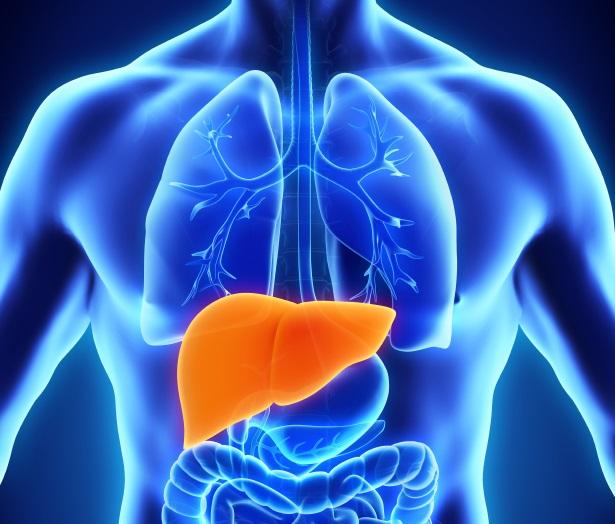
Hepatitis B is a viral infection that attacks the liver.
It can be spread through contact with infected body fluids such as blood, saliva, vaginal fluids and semen, or passed from mother to baby.
The disease can be acute or chronic, with chronic infection raising risk of death from cirrhosis and liver cancer.
Hepatitis C is an inflammation of the liver caused by a virus of the same name.
Transmission is spread through exposure to infected blood from unsafe injections, such as sharing needles and syringes or unscreened blood transfusions.
WHO estimates 287 million people or roughly three per cent of the global population were living with chronic Hepatitis B or C infection in 2024.
The new report says the WHO African Region accounted for 68 per cent of new hepatitis B infections.
It also says only 17 per cent of newborns there received a birth-dose vaccination.
Although 240 million people were living with chronic Hepatitis B in 2024, fewer than five per cent were receiving treatment.
The report further says only 20 per cent of people with Hepatitis C have been treated since new effective treatment became available in 2015.
The global health body regretted that limited access to prevention and care continued to drive mortality.
“In 2024, roughly 1.1 million people died from Hepatitis B and 240,000 from Hepatitis C, mainly due to liver cirrhosis and liver cancer,” the report found.
These infections claimed 1.34 million lives in 2024.
The world health agency also said transmission continued at a rate of some 1.8 million infections annually or more than 4,900 cases every day.
However, WHO said countries were making measurable progress in combatting viral hepatitis.
WHO also said new Hepatitis B infections had declined by 32 per cent while Hepatitis C-related deaths had dropped by 12 per cent.
Hepatitis B prevalence among children under five has also fallen to 0.6 per cent, with 85 countries achieving or surpassing the 2030 target of reducing prevalence to 0.1 per cent.
WHO highlighted significant gains made in the fight against Hepatitis B and C, which together account for 95 per cent of all hepatitis-related deaths worldwide.
WHO said the advances reflected sustained and coordinated international action towards viral hepatitis elimination targets adopted at the 2016 World Health Assembly but current rates were insufficient to meet all 2030 elimination targets.
WHO Director-General Tedros Ghebreyesus said countries had shown that “eliminating hepatitis is not a pipedream,” but efforts must accelerate.
“Many people remain undiagnosed and untreated due to stigma, weak health systems and inequitable access to care,” Ghebreyesus said.
“While we have the tools to eliminate hepatitis as a public health threat, urgent scale-up of prevention, diagnosis and treatment is needed if the world is to meet the 2030 targets.”
In spite of the challenges, WHO pointed to the highly effective tools that are already available in the fight against the disease.
The Hepatitis B vaccine is more than 95 per cent effective against both acute and chronic infections, while long-term antiviral treatment can help manage chronic infection and prevent severe liver disease.
At the same time, short-course therapy for Hepatitis C, lasting 8 to 12 weeks, can cure more than 95 per cent of cases.
Source: NAN
READ ALSO:
Police confirm suicide of poly student in Ondo
NDLEA, Customs to strengthen inter-agency synergy against drug trafficking
Earth Prize: Nigerian students hit top five in Africa, top 35 globally
Trump not satisfied with Iran’s new peace proposal –Report
OAU students protest transport shortage, demand more buses
Zenith Bank advances Pan-African vision with Côte d’Ivoire launch
7.5m children in Sahel need humanitarian assistance –UNICEF