

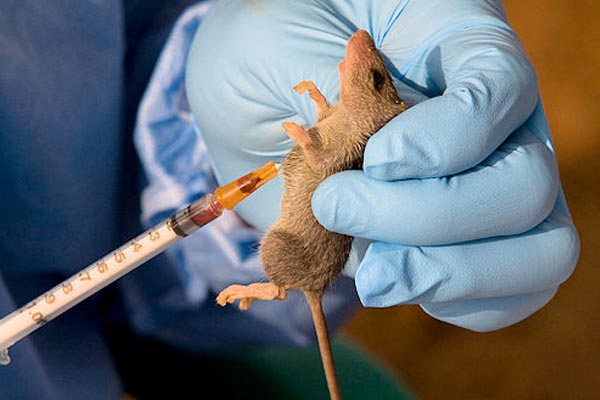
The Nigeria Centre for Disease Control and Prevention, NCDC, has said that 1,119 confirmed cases of Lassa fever have been recorded in 2025, with young adults emerging as the most affected age group nationwide.
The agency disclosed this in its Lassa Fever Situation Report for Epidemiological Week 51, covering December 15 to 21, 2025, providing a comprehensive overview of cases, deaths, and affected states across the country.
According to the report, people aged 21 to 30 years accounted for the highest burden of confirmed infections, with the median age among patients recorded at 30 years nationwide.
The NCDC noted that males were slightly more affected than females, reflecting gender differences in exposure or health-seeking behaviour in communities with high Lassa fever transmission risk.
So far, 206 deaths have been recorded among confirmed cases, representing a case fatality rate of 18.4 per cent, higher than the 16.4 per cent reported during the same period in 2024.
During Week 51 alone, 21 new confirmed cases and five deaths were reported, down from 28 confirmed cases in the previous week, indicating a modest week-on-week decline in new infections.
The cases were reported from Bauchi, Ondo, Taraba, Edo, Kogi, Ebonyi, and Plateau states, with a total of 21 states across 105 local government areas recording at least one confirmed case in 2025.
Four states, Ondo, Bauchi, Edo, and Taraba, accounted for 88 per cent of all confirmed infections, with Ondo State alone contributing 35 per cent of the nationwide total, the report highlighted.
The NCDC identified late presentation at treatment facilities, poor health-seeking behaviour due to high treatment costs, and poor environmental sanitation in high-burden communities as key challenges affecting outbreak control.
It urged healthcare workers to maintain a high index of suspicion for Lassa fever, ensure early diagnosis and treatment, and called on state authorities to strengthen risk communication and community engagement.
The centre said it would continue to coordinate a multi-sectoral national response, including surveillance, case management, laboratory support, and infection prevention and control activities in affected and at-risk communities.
Lassa fever is an acute viral haemorrhagic illness transmitted mainly through contact with food or household items contaminated with urine or faeces of infected rodents, while human-to-human transmission can also occur.
Source: NAN
READ ALSO:
Niger State attack: UN calls for protection of civilians, schools
EXTRA: Osimhen, let your past be your guide
From sacred to viral: The digital economics of celebrities in Nigerian pentecostalism
NBB of C alleges plot to usurp roles by NBF chieftain
FirstBank meets ₦500bn regulatory capital requirement
LOTUS Bank board names Ajani-Lawal MD/CEO, as Araoye retires
Edo kidnapping: Younger brother killed, elder still held
Police identify officers accused of extorting N3.3m from couple
Venezuela, Russia, China, UK urge U.S. to release Maduro
Sanwo-Olu donates ₦100m, houses, vehicles to Nigerian Legion
Dangote refinery dismisses shutdown claims, maintains daily output
A New Year changes nothing, you do
AFCON: S’Eagles thrash Mozambique 4-0 to reach quarter-finals