

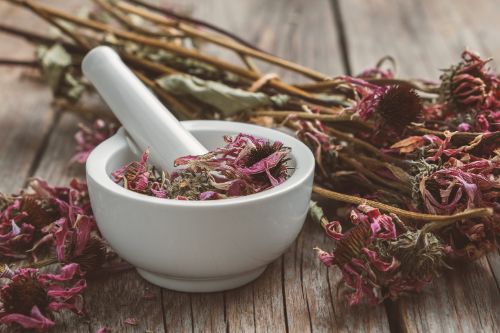


A nutritionist, Mr Douglas Akuba, has raised concerns over the growing reliance on herbal remedies by many Nigerians, warning indiscriminate usage of concentrated herbal extracts could expose people to serious health risks.
Akuba, who is the Chief Executive Officer of Green Economy Alternative Africa, gave the warning in an interview with News Agency of Nigeria, NAN, on Tuesday in Abuja.
He said while herbs and spices such as cloves, ginger, garlic and turmeric had recognised nutritional and medicinal properties, many people were consuming them in excessive quantities.
He noted that some people took such concentrated extracts based on unverified information from social media and informal sources.
According to him, the misconception that anything natural is automatically safe has contributed to increasing cases of self-medication and misuse of herbal products by most Nigerians.
“Herbs have been part of our traditional diets and healthcare practices for generations, but they must be used responsibly.
“The fact that something is natural does not mean it is harmless, when taken in excess could expose people to risk,” he said.
He said that cloves, in particular, contain `eugenol’ (a naturally occurring aromatic compound found mainly in the essential oil of clove), a compound that offers antioxidant and anti-inflammatory benefits when consumed in better quantities.
He, however, warned that excessive in-take of cloves or concentrated clove oil could become toxic and lead to severe health complications.
According to him, high levels of eugenol may damage the liver by interfering with the body’s natural detoxification processes and in severe cases, could also affect kidney function.
He added that the compound also acted as a natural blood thinner, increasing the risk of excessive bleeding, especially among individuals preparing for surgery or those taking anticoagulant medications.
The nutritionist further explained that excessive consumption could trigger dangerously low blood sugar levels, particularly in people living with diabetes who were already taking glucose-lowering medicines.
He said that concentrated clove preparations could also irritate the mouth, throat and stomach, leading to nausea, vomiting, diarrhoea and inflammation of the digestive tract.
He expressed particular concern about accidental poisoning among children, noting that concentrated clove oil posed a much greater risk than whole cloves commonly used in cooking.
He said that medical literature had documented cases of severe poisoning in young children following accidental ingestion of clove oil, resulting in seizures, coma and acute liver injury requiring emergency treatment.
“This is why parents should never leave essential oils such as clove oil where children can access them.
“They should be stored with the same level of care as prescription medicines and household chemicals,” he said.
The nutritionist observed that the increasing popularity of herbal remedies for weight loss, fertility, diabetes, sexual health and other conditions had been fuelled largely by misleading information shared on social media.
He urged Nigerians to verify health information before adopting herbal regimens and to seek professional advice before making significant dietary or herbal supplement changes.
According to him, herbs should complement healthy nutrition and evidence-based medical care rather than replace prescribed treatment.
He also cautioned individuals against consuming large quantities of herbal supplements simply because they were promoted online as miracle cures.
He called on public health authorities, community leaders and the media to intensify public education on the safe use of herbal products, saying improved awareness would help reduce preventable cases of poisoning and other adverse health effects.
He stressed that promoting responsible use of traditional herbs would enable the public to benefit from their nutritional values while avoiding unnecessary health risks.
The nutritionist advised anyone experiencing severe symptoms such as persistent vomiting, seizures, loss of consciousness, unusual bleeding or extreme dizziness after consuming herbal products to seek immediate medical attention.
He maintained that informed choices and professional guidance remained the safest approach to integrating herbal remedies into everyday health practices.
READ ALSO:
The danger of prolonged use of earphones -Audiologist
Flood: Lagos approves dredging maintenance of more channels
Davido set to drop sixth album ‘Oriade’
Thumbs up for Oga Bello @ 65, By Tunde Akanni
Tribute to Tunji Bello @ 65: Integrity wears no noise
Boiling Point Extra: How to end kidnapping in schools -Experts
The ‘human dividend’ in an organization
ASUU threatens strike in some varsities over unpaid agreement
Sanwo-Olu reiterates commitment to additional Court of Appeal
NDLEA inducts AK-47 rifles, pistols into operations after 36 years